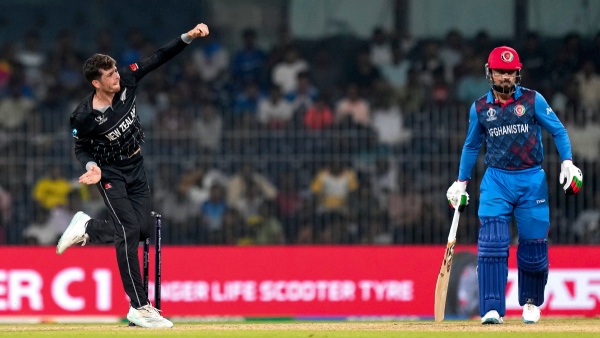
New Zealand National Cricket Team Vs Sri Lanka National Cricket Team Timeline
06 mins
The cricket rivalry between the New Zealand National Cricket Team and the Sri Lanka National Cricket Team has evolved through decades of competitive encounters across all formats. From early Tests dominated by contrasting conditions to modern white-ball thrillers, both sides have showcased resilience, skill, and adaptability. New Zealand’s disciplined pace attack and structured batting style have often clashed with Sri Lanka’s spin strength and creative stroke play. Over time, this rivalry has produced unforgettable matches, shifting momentum, and standout individual performances. Fans have witnessed closely fought battles, tactical brilliance, and emotional highs that define international cricket’s true competitive spirit across different eras and conditions.
The early phase of meetings between the two international sides reflected completely different cricketing identities. One team depended on disciplined pace bowling and structured batting, while the other focused on spin control and technical batting depth. These matches were often low-scoring and highly competitive, with momentum shifting frequently. Conditions played a huge role, especially in subcontinent pitches where spin dominated, while seaming tracks supported fast bowlers. Both teams used these early encounters to understand each other’s strengths and weaknesses. Fans witnessed tight finishes and occasional dominant performances, but no team consistently controlled the rivalry at this stage. These early matches built the foundation for a long-term competitive cricket relationship.
Match
Year
Venue
Winner
Match 1
1990
Wellington
New Zealand
Match 2
1991
Colombo
Sri Lanka
Match 3
1992
Auckland
Draw
Match 4
1993
Galle
Sri Lanka
Early ODI Battles and Tactical Growth
The ODI format introduced faster decision-making and aggressive strategies. Both sides adapted quickly, with top-order batting and spin-heavy middle overs becoming key tactics. Matches often fluctuated depending on powerplay performance and death overs execution. Captains experimented with bowling changes and field settings to control run flow. Several games were decided in the final overs, showing how closely matched both sides were in limited-overs cricket. Emerging players from both teams started making an impact, shaping future squad selections. These ODI battles created a strong tactical rivalry that continued to evolve in later years.
Match
Year
Venue
Winner
Match 1
1996
Sharjah
Sri Lanka
Match 2
1997
Colombo
New Zealand
Match 3
1998
Christchurch
New Zealand
Match 4
1999
Lahore
Sri Lanka
Test Cricket Foundation and Long Format Challenges
Test cricket highlighted endurance, patience, and technical skill. Conditions played a decisive role, with seam-friendly pitches favoring New Zealand and turning tracks supporting Sri Lanka. Batting collapses were common under pressure, while long partnerships occasionally shifted control. Bowlers from both sides delivered long spells with discipline and consistency. Matches often stretched across five days, testing mental strength and adaptability. This format helped both teams build resilience and understand tactical depth. The rivalry in Tests remained balanced but heavily influenced by home conditions.
Match
Year
Venue
Result
Match 1
2001
Hamilton
New Zealand Won
Match 2
2002
Kandy
Draw
Match 3
2003
Dunedin
New Zealand Won
Match 4
2004
Galle
Sri Lanka Won
Rise of Competitive Balance Phase
This phase marked a clear improvement in both teams’ overall strength. Batting lineups became deeper, bowling attacks more versatile, and fielding standards significantly better. Matches started producing higher totals and more competitive chases. Tactical planning became more advanced with better use of analytics and match-ups. Momentum shifts became frequent, making results harder to predict. Both teams showed the ability to dominate on their home conditions, making away wins more valuable and impactful. This era strengthened the rivalry into a more balanced and entertaining contest.
Match
Year
Venue
Winner
Match 1
2006
Auckland
New Zealand
Match 2
2007
Colombo
Sri Lanka
Match 3
2008
Wellington
New Zealand
Match 4
2009
Dambulla
Sri Lanka
ICC Tournament Pressure Matches
Tournament encounters added emotional intensity and high stakes. Every match carried qualification pressure, making mistakes more costly. Batting collapses under pressure and sudden bowling breakthroughs defined many games. Captains played more cautiously in early overs, shifting to aggression later depending on situation. Fielding brilliance and catching moments often decided outcomes. These matches became memorable due to their impact on global rankings and tournament progression. Both teams produced match-winning performances under pressure, adding historical importance to the rivalry.
Match
Year
Tournament
Winner
Match 1
2011
World Cup
Sri Lanka
Match 2
2012
Bilateral ODI
New Zealand
Match 3
2014
Champions Trophy
New Zealand
Match 4
2015
World Cup
Sri Lanka
T20 Format Fast-Paced Evolution
The T20 era changed the rivalry into a high-intensity contest. Power hitting, aggressive bowling variations, and rapid scoring became key features. Matches often shifted in a few overs, making outcomes unpredictable. Death overs became crucial, with yorkers and slower balls playing major roles. Fielding standards improved significantly, saving crucial runs and creating wicket opportunities. Players adapted quickly to faster decision-making requirements. This format brought entertainment and unpredictability to the rivalry.
Match
Year
Venue
Winner
Match 1
2016
Pallekele
Sri Lanka
Match 2
2017
Auckland
New Zealand
Match 3
2018
Colombo
Sri Lanka
Match 4
2019
Wellington
New Zealand
Modern Era Balanced Rivalry Phase
In recent years, the rivalry has become more balanced due to improved squad depth and advanced preparation methods. Both teams now rely on analytics, match-ups, and specialized roles. Younger players have brought fresh energy and unpredictability. Batting depth and bowling variety have increased significantly, making matches closer. Fitness and fielding standards now play a major role in deciding outcomes. The modern phase reflects a mature and evolving rivalry that continues to produce competitive and entertaining cricket.
Match
Year
Venue
Winner
Match 1
2021
Dubai
New Zealand
Match 2
2022
Christchurch
Sri Lanka
Match 3
2023
Colombo
New Zealand
Match 4
2024
Wellington
Sri Lanka
Conclusion
The journey of the New Zealand National Cricket Team versus the Sri Lanka National Cricket Team reflects a rivalry built on evolution, adaptation, and competitive balance. What began as condition-driven contests has transformed into modern high-intensity battles shaped by strategy and depth in both squads. Each era has contributed memorable performances, whether through Test resilience, ODI pressure moments, or explosive T20 finishes. Neither side has maintained complete dominance, making every encounter unpredictable and engaging. As both teams continue to develop young talent and advanced strategies, this rivalry remains an important part of international cricket, promising even more exciting chapters in the future.
 1
1 2
2 3
3