Bangladesh National Cricket Team vs Pakistan National Cricket Team Timeline
07 mins
Table of Contents
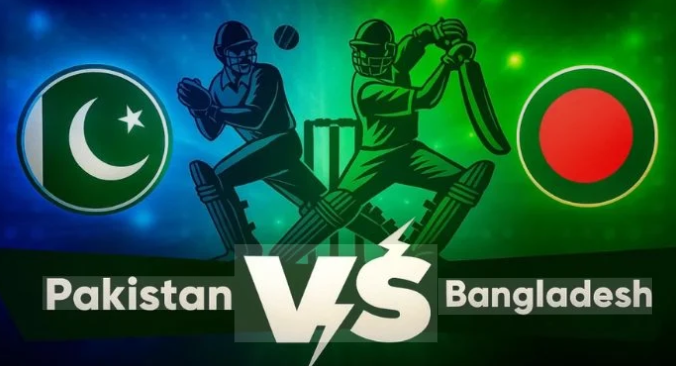
The rivalry between the Bangladesh National Cricket Team and the Pakistan National Cricket Team has evolved from one-sided encounters to increasingly competitive battles in international cricket. Pakistan, known for its unpredictable brilliance and strong bowling attack, has historically dominated this matchup. On the other hand, Bangladesh has grown significantly over the years, especially in limited-overs cricket, developing a reputation for resilience and fighting spirit. Matches between these two teams often bring intense moments, emotional pressure, and unexpected twists. This timeline explores how the rivalry has progressed across different eras, highlighting key matches, turning points, and the gradual rise of Bangladesh as a competitive force against Pakistan.
Latest Matches
Tournament
Venue
Date
Bangladesh Score
Pakistan Score
Result
Series
Bilateral ODI
Shere Bangla National Stadium, Mirpur
Mar 15, 2026
290/5 (50 overs)
279 (50 overs)
Bangladesh won by 11 runs
Pakistan tour of Bangladesh 2026
Bilateral ODI
Shere Bangla National Stadium, Mirpur
Mar 13, 2026
114 (23.3/32 overs, DLS)
274 (47.3 overs)
Pakistan won by 128 runs (DLS)
Pakistan tour of Bangladesh 2026
Bilateral ODI
Shere Bangla National Stadium, Mirpur
Mar 11, 2026
115/2 (15.1 overs)
114 (30.4 overs)
Bangladesh won by 8 wickets
Pakistan tour of Bangladesh 2026
Bilateral T20I
Shere Bangla National Stadium, Mirpur
Jul 24, 2025
104 (16.4 overs)
178/7 (20 overs)
Pakistan won by 74 runs
Pakistan tour of Bangladesh 2025
Bilateral T20I
Shere Bangla National Stadium, Mirpur
Jul 22, 2025
(Bangladesh defended)
–
Bangladesh won by 8 runs
Pakistan tour of Bangladesh 2025
Bilateral T20I
Shere Bangla National Stadium, Mirpur
Jul 20, 2025
112/3 (15.3 overs)
110 (19.3 overs)
Bangladesh won by 7 wickets
Pakistan tour of Bangladesh 2025
Bilateral T20I
Gaddafi Stadium, Lahore
Jun 01, 2025
196/6 (20 overs)
197/3 (17.2 overs)
Pakistan won by 7 wickets
Bangladesh tour of Pakistan 2025
Bilateral T20I
Gaddafi Stadium, Lahore
May 30, 2025
144 (19 overs)
201/6 (20 overs)
Pakistan won by 57 runs
Bangladesh tour of Pakistan 2025
Bilateral T20I
Gaddafi Stadium, Lahore
May 28, 2025
164 (19.2 overs)
201/7 (20 overs)
Pakistan won by 37 runs
Bangladesh tour of Pakistan 2025
Bilateral Test
Rawalpindi Cricket Stadium, Rawalpindi
Aug 30–Sep 03, 2024
262 & 185/4
274 & 172
Bangladesh won by 6 wickets
Bangladesh tour of Pakistan 2024
Bilateral Test
Rawalpindi Cricket Stadium, Rawalpindi
Aug 21–25, 2024
565 & 30/0
448/6d & 146
Bangladesh won by 10 wickets
Bangladesh tour of Pakistan 2024
Tournament/Series-Wise Encounters
Series/Tournament
Year
Format(s)
Matches
Pakistan Wins
Bangladesh Wins
Result / Series Winner
Highlight / Note
Pakistan tour of Bangladesh
2026
ODI (3)
3
1
2
Bangladesh won 2-1
Bangladesh’s 2nd ODI series win vs Pak ever! Thriller in 3rd ODI (11-run win)
Pakistan tour of Bangladesh
2025
T20I (3)
3
1
2
Bangladesh won 2-1
Home dominance — chased low totals & defended in thrillers
Bangladesh tour of Pakistan
2025
T20I (3)
3
3
0
Pakistan won 3-0
Pakistan strong at home in white-ball
Bangladesh tour of Pakistan
2024
Test (2)
2
0
2
Bangladesh won 2-0
Historic first Test series win in Pakistan! Whitewash
Year-Wise Key Matches
Year
Date
Format
Venue
Bangladesh Score
Pakistan Score
Result
Player of the Match / Thrill Factor
2026
Mar 15
ODI
Mirpur, Dhaka
290/5 (50)
279 (50)
Bangladesh won by 11 runs
Nail-biter chase defense — series clincher!
2026
Mar 13
ODI
Mirpur, Dhaka
114 (23.3/32, target 243)
274 (47.3)
Pakistan won by 128 runs (DLS)
Maaz Sadaqat / Pakistan leveled series
2026
Mar 11
ODI
Mirpur, Dhaka
115/2 (15.1)
114 (30.4)
Bangladesh won by 8 wickets
Nahid Rana 5-fer / Record low for Pak vs Ban
2025
Jul 24
T20I
Mirpur, Dhaka
104 (16.4)
178/7 (20)
Pakistan won by 74 runs
Sahibzada Farhan / Pakistan bounced back
2025
Jul 22
T20I
Mirpur, Dhaka
133 (20)
125 (19.2)
Bangladesh won by 8 runs
Tight defense — Bangladesh edge
2025
Jul 20
T20I
Mirpur, Dhaka
112/3 (15.3)
110 (19.3)
Bangladesh won by 7 wickets
Parvez Hossain Emon / Comfortable chase
2025
Jun 01
T20I
Lahore
196/6 (20)
197/3 (17.2)
Pakistan won by 7 wickets
Fast chase
2025
May 30
T20I
Lahore
144 (19)
201/6 (20)
Pakistan won by 57 runs
Pakistan set big total
2025
May 28
T20I
Lahore
164 (19.2)
201/7 (20)
Pakistan won by 37 runs
High-scoring Pakistan win
2024
Aug 30–Sep 03
Test
Rawalpindi
262 & 185/4
274 & 172
Bangladesh won by 6 wickets
Historic chase — part of 2-0 whitewash
2024
Aug 21–25
Test
Rawalpindi
565 & 30/0
448/6d & 146
Bangladesh won by 10 wickets
Massive first-innings total + innings win!
Initial Meetings and Pakistan’s Strong Hold (2001–2007)
The early encounters between the Pakistan National Cricket Team and the Bangladesh National Cricket Team were largely dominated by Pakistan. Bangladesh, still developing as an international side, struggled against Pakistan’s pace attack and experienced batting lineup. Most matches ended in comfortable victories for Pakistan, particularly in ODIs and early T20 fixtures. However, Bangladesh showed glimpses of improvement with occasional competitive performances. These matches played a key role in building experience for Bangladesh players, helping them understand the level required to compete with stronger teams. This phase laid the foundation of the rivalry, even though results were mostly one-sided.
Year
Event
Format
Winner
2001
First ODI Meeting
ODI
Pakistan
2003
ICC Event
ODI
Pakistan
2005
Bilateral Series
ODI
Pakistan
2007
T20 Match
T20
Pakistan
Signs of Resistance and Close Matches (2008–2012)
Between 2008 and 2012, Bangladesh started showing resistance against Pakistan. While Pakistan still held the upper hand, matches became more competitive, especially in subcontinent conditions. Bangladesh’s batting unit improved, and their spin attack began troubling Pakistan’s middle order. Several games during this period were closely contested, with Bangladesh pushing Pakistan to the final overs. Although victories were still limited, the improvement in performance indicated that Bangladesh was no longer an easy opponent. This phase marked the beginning of a shift in competitiveness between the two teams.
Year
Series
Format
Winner
2008
ODI Series
ODI
Pakistan
2010
T20 Match
T20
Pakistan
2011
ODI Match
ODI
Pakistan
2012
Asia Cup Match
ODI
Pakistan
Bangladesh’s Breakthrough and Historic Wins (2013–2016)
This period witnessed Bangladesh achieving some breakthrough performances against Pakistan. The Bangladesh National Cricket Team secured important victories, especially in home conditions, showcasing improved confidence and team balance. Pakistan, although still strong, faced unexpected challenges from Bangladesh’s disciplined bowling and aggressive batting approach. These wins boosted Bangladesh’s morale and changed the perception of the rivalry. Matches became more unpredictable, with Bangladesh proving capable of defeating Pakistan in key situations. This phase is considered a turning point in the rivalry.
Year
Series
Format
Winner
2013
ODI Match
ODI
Bangladesh
2015
ODI Series
ODI
Bangladesh
2015
T20 Match
T20
Bangladesh
2016
Asia Cup
T20
Pakistan
Competitive Era and Balanced Performances (2017–2019)
From 2017 to 2019, the rivalry became more balanced, with both teams sharing victories across formats. Pakistan relied on its pace attack and experienced players, while Bangladesh used spin and strong middle-order batting to compete effectively. Matches were often decided by small margins, creating excitement for fans. This period saw several high-pressure games in ICC events and bilateral series, where both teams displayed tactical awareness and resilience. The gap between the teams narrowed significantly, making the rivalry more engaging and unpredictable.
Year
Series
Format
Winner
2017
Champions Trophy
ODI
Pakistan
2018
T20 Series
T20
Bangladesh
2019
ODI Match
ODI
Bangladesh
2019
ICC Event
ODI
Pakistan
T20 Influence and High-Intensity Matches (2020–2022)
The growth of T20 cricket added a new dimension to the rivalry. Matches between the Pakistan National Cricket Team and the Bangladesh National Cricket Team became faster and more aggressive. Pakistan often dominated with strong bowling performances, but Bangladesh managed to challenge them with fearless batting. Several matches were high-scoring and closely contested, keeping fans engaged till the last over. This era highlighted the importance of adaptability and modern cricket strategies.
Year
Tournament
Format
Winner
2020
T20 Series
T20
Pakistan
2021
ODI Series
ODI
Pakistan
2021
T20 Match
T20
Bangladesh
2022
Bilateral Series
ODI
Pakistan
Modern Rivalry and Emerging Players (2023–2024)
In recent years, both teams have focused on introducing young talent and building balanced squads. Bangladesh continues to strengthen its batting lineup and spin department, while Pakistan maintains a strong pace attack and experienced core. Matches are now highly competitive, with both teams capable of winning on any given day. The rivalry has become more unpredictable, with close finishes and standout performances from emerging players. This phase reflects the maturity of both teams and their ability to compete at a high level.
Year
Series
Venue
Winner
2023
ODI Series
Pakistan
Pakistan
2023
T20 Match
Bangladesh
Bangladesh
2024
Bilateral Series
Neutral
TBD
2024
T20 Series
Neutral
TBD
Future Outlook and Conclusion (2025 and Beyond)
Looking ahead, the rivalry between the Bangladesh National Cricket Team and the Pakistan National Cricket Team is expected to grow even stronger. Both teams are investing in young players and modern strategies, ensuring competitive matches in future ICC tournaments and bilateral series. Bangladesh aims to consistently challenge Pakistan, while Pakistan seeks to maintain its dominance. This timeline shows how the rivalry has evolved from one-sided contests to exciting and closely fought matches, promising an entertaining future for cricket fans.
Year
Series
Venue
Winner
2025
ODI Series
Bangladesh
TBD
2025
T20 Match
Pakistan
TBD
2026
ICC Event
Neutral
TBD
2026
Bilateral Series
TBD
TBD
Conclusion
The rivalry between the Bangladesh National Cricket Team and the Pakistan National Cricket Team has evolved into a competitive and exciting contest. Pakistan’s historical dominance has been challenged by Bangladesh’s steady improvement and resilience. Matches between these teams now feature close finishes, strategic gameplay, and intense pressure moments. Bangladesh continues to grow as a strong side, while Pakistan maintains its unpredictability and match-winning ability. This rivalry reflects the changing dynamics of modern cricket and promises even more exciting clashes as both teams aim for consistent success on the international stage.
 1
1