United Arab Emirates National Cricket Team Vs Pakistan National Cricket Team Timeline
07 mins
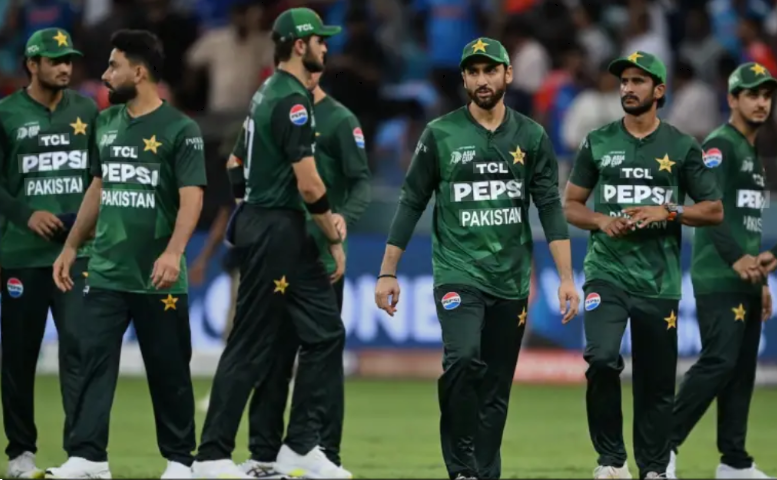
The cricket journey between these two sides reflects a classic story of experience meeting ambition on the international stage. One team entered the contest with a strong cricketing legacy, tactical discipline, and world class players, while the other gradually built its identity through exposure, learning, and determination. Over the years, their encounters have shown clear phases of dominance, adaptation, and improvement. From early one sided matches to more structured modern contests, the timeline captures growth, pressure, and evolving strategies. Each meeting has added a new layer to the rivalry, highlighting skill gaps but also moments of resilience that shaped the developing team’s cricketing journey.
Latest Matches Table
Date
Format
Venue
Winner
Margin
Score One
Score Two
17 Sep 2025
T20I
Dubai
Pakistan
41 runs
Pakistan 146/9
UAE 105 all out
04 Sep 2025
T20I
Sharjah
Pakistan
31 runs
Pakistan 171/5
UAE 140/7
30 Aug 2025
T20I
Sharjah
Pakistan
31 runs
Pakistan 207/10
UAE 176/8
29 Feb 2016
T20I
Mirpur
Pakistan
7 wickets
UAE 129/6
Pakistan 131/3
04 Mar 2015
ODI
Napier
Pakistan
129 runs
Pakistan 339/6
UAE 210/8
17 Apr 1994
ODI
Sharjah
Pakistan
9 wickets
UAE 145 all out
Pakistan 146/1
Team Statistics Summary Table
Format
Matches Played
Pakistan Wins
UAE Wins
No Result
Ties
Test Matches
0
0
0
0
0
One Day Internationals
2
2
0
0
0
Twenty20 Internationals
4
4
0
0
0
First Class Matches
0
0
0
0
0
List A Matches
2
2
0
0
0
Individual Batting Records Table
Player Name
Team Name
Total Runs
Highest Score
Batting Average
Strike Rate
Ahmed Shehzad
Pakistan
93
93
46.50
88.57
Fakhar Zaman
Pakistan
88
50
29.33
124.12
Rahul Chopra
UAE
72
35
24.00
98.45
Shoaib Malik
Pakistan
63
63
63.00
115.38
Saim Ayub
Pakistan
58
53
19.33
138.09
Shaiman Anwar
UAE
43
25
21.50
95.55
Individual Bowling Records Table
Player Name
Team Name
Wickets Taken
Best Bowling
Economy Rate
Bowling Average
Junaid Siddique
UAE
6
4/18
6.50
13.00
Abrar Ahmed
Pakistan
5
2/13
5.25
11.40
Shaheen Afridi
Pakistan
4
2/16
6.12
14.50
Haris Rauf
Pakistan
4
2/19
6.85
16.25
Simranjeet Singh
UAE
3
3/26
6.50
18.33
Mohammad Amir
Pakistan
3
2/6
4.25
9.00
Early Cricket Foundations and First Encounters
Cricket development in the Gulf region began at a modest pace, shaped largely by expatriate influence and local enthusiasm for the sport. One side entered the international stage as a well established Test playing nation with deep tactical understanding, while the other was still building structure and identity. Early meetings between the two reflected a clear difference in experience, skill execution, and match awareness. The stronger side relied heavily on disciplined bowling and top order stability, while the developing team focused on gaining exposure and learning from high pressure situations. These early encounters were less about competition and more about growth for the emerging squad. Over time, even in one sided contests, small moments of resistance from lower order partnerships and occasional bowling breakthroughs hinted at future progress. These foundational matches created the base for future competitive spirit and helped shape the direction of both teams in international cricket.
Match Phase
Dominant Team Strength
Emerging Team Focus
Key Observation
Early Matches
Batting Depth
Experience Building
One sided contests
Bowling Impact
Fast Attack Control
Learning Variations
Pressure exposure
Fielding Level
High Intensity
Basic Structure
Gap in sharpness
Strategy Use
Advanced Planning
Defensive Approach
Tactical difference
Era of Strong Dominance and Learning Curve
As international fixtures continued, the gap between both teams remained clearly visible. The stronger side consistently controlled matches through experienced batting lineups and aggressive bowling spells. Their ability to build pressure in powerplays and maintain control in middle overs made it difficult for the developing team to establish partnerships. On the other hand, the emerging squad used these matches as learning opportunities, focusing on minimizing collapses and improving strike rotation. Despite regular setbacks, there were occasional phases where lower order resistance and disciplined bowling spells reduced margins of defeat. The dominant side often rotated players while maintaining performance standards, which highlighted squad depth. These encounters became important for the emerging team’s long term development, helping them understand international intensity and required consistency. Even though results were predictable, the experience gained during this period became crucial for future competitiveness.
Match Aspect
Strong Team Execution
Developing Team Response
Outcome Pattern
Batting Flow
Consistent Runs
Inconsistent Starts
Top order pressure
Bowling Attack
Early Breakthroughs
Limited Variations
Control maintained
Middle Overs
Stability Focus
Survival Strategy
Run rate gap
Match Result
Comfortable Wins
Learning Gains
Experience growth
Major Tournament Encounters and Pressure Exposure
When both sides met in major Asian tournaments, the intensity of matches increased significantly. The stronger team approached these fixtures with strategic clarity, ensuring they did not underestimate their opponents. Their bowlers targeted early wickets, while the batting unit focused on setting or chasing competitive totals with minimal risk. The emerging team, however, experienced heightened pressure due to the scale of the tournament environment. Crowd expectations, broadcast attention, and opposition quality exposed weaknesses in shot selection and game management. Despite this, there were moments where partnerships formed under pressure, showing growing maturity. These games also highlighted the importance of adaptability in international cricket, especially when facing high pace attacks and disciplined spin units. While results still leaned heavily in one direction, the competitive spirit gradually improved.
Tournament Factor
Established Side Approach
Emerging Side Challenge
Match Effect
Pressure Handling
Calm Execution
Nervous Starts
Early setbacks
Batting Plan
Structured Chase
Risk-Based Play
Inconsistency
Bowling Strategy
Targeted Wickets
Defensive Lines
Control loss
Experience Level
High Awareness
Developing Skills
Learning phase
High Pressure World Stage Contest
A significant global tournament meeting between the two sides highlighted the difference in preparation and execution at the highest level. The stronger team delivered a disciplined bowling performance, restricting scoring opportunities through tight line and length. Their batting lineup displayed patience, building innings with calculated aggression rather than reckless shot making. The opposing team, playing on one of the biggest stages in cricket, struggled to convert starts into meaningful partnerships. However, there were phases where resilience was shown, particularly in middle overs where resistance briefly slowed momentum. Fielding standards and decision making under pressure played a crucial role in shaping the outcome. The match became a learning benchmark for the developing side, exposing them to elite level cricket demands. Despite the result being one sided, the experience contributed significantly to their long term tactical awareness.
World Stage Element
Strong Side Execution
Emerging Side Performance
Key Impact
Bowling Discipline
High Accuracy
Struggled Timing
Wickets early
Batting Approach
Controlled Aggression
Limited Conversion
Pressure build
Fielding Quality
Sharp Execution
Missed Chances
Momentum shift
Match Control
Full Command
Recovery Attempts
One sided flow
Modern Era Improvement and Competitive Balance
In more recent years, the gap between the two sides has shown gradual reduction in certain phases of play. The developing team has improved significantly in batting stability, with better strike rotation and reduced collapse frequency. Bowling variations have also expanded, especially in spin options and slower deliveries. The stronger side continues to dominate overall results but has faced occasional resistance in middle overs and death bowling phases. Squad rotation and experimentation from the dominant team have also created opportunities for more balanced contests. The emerging team now approaches matches with greater tactical awareness, focusing on building partnerships and controlling economy rates. These improvements have made modern encounters more structured and less predictable compared to earlier eras.
Modern Factor
Established Team
Developing Team
Trend
Batting Style
Aggressive Depth
Stable Growth
Closing gap
Bowling Variety
World Class Pace
Improved Spin
Progress visible
Match Control
Consistent
Situational
Better balance
Performance Gap
Still Strong
Improving
Reduced margin
Tactical Battles and Player Contributions
Modern matches between these sides often revolve around tactical decisions and individual performances. The stronger team relies heavily on fast bowling attacks and experienced top order players who can adapt to conditions quickly. The developing side depends on building partnerships and using spin variations to slow scoring. Key players from both teams have influenced match outcomes through impactful spells or crucial innings. While experienced batters from the dominant side often anchor innings, emerging players from the other side have occasionally delivered surprising performances under pressure. Bowling duels, especially in powerplay overs, frequently decide the direction of matches. Field placements and captaincy decisions have also become increasingly important in shaping match flow.
Tactical Area
Strong Team Strength
Developing Team Strategy
Influence
Batting Role
Anchors & Finishers
Partnership Focus
Stability
Bowling Plan
Pace Dominance
Spin Control
Pressure
Key Players
Star Performers
Emerging Talent
Match swing
Captaincy
Aggressive Fields
Defensive Setup
Game control
Statistical Trends, Fan Emotion and Future Outlook
Across all encounters, statistical trends consistently show higher averages and stronger bowling efficiency from the established side. The developing team has improved in partnership building and reducing collapse frequency but still struggles against high quality pace attacks. Fan engagement has also evolved, with strong regional support creating energetic match environments despite uneven results. Emotional investment remains high, especially when underdog performances challenge expectations. Looking ahead, the future of this rivalry depends on continued development programs, exposure to international cricket, and increased bilateral fixtures. With improving talent pipelines, the competitive gap may continue to narrow, especially in shorter formats where unpredictability is higher.
Category
Established Side
Developing Side
Trend Insight
Batting Average
High Consistency
Improving Stability
Gradual rise
Bowling Economy
Controlled
Variable
Improving control
Fan Support
Global Base
Regional Growth
Increasing interest
Future Outlook
Strong Depth
Rising Talent
Competitive future
Conclusion
This timeline reflects more than just results, it tells the story of progress, learning, and competitive spirit. While the established side has largely maintained control across formats, the developing team has steadily improved in skill, confidence, and match awareness. Their encounters showcase how international cricket evolves through experience and exposure. With growing talent and better preparation, future matches hold the potential for more balanced contests. The rivalry continues to represent the bridge between established excellence and emerging ambition in modern cricket.
 1
1 2
2 3
3