 111
111 2
2 3
3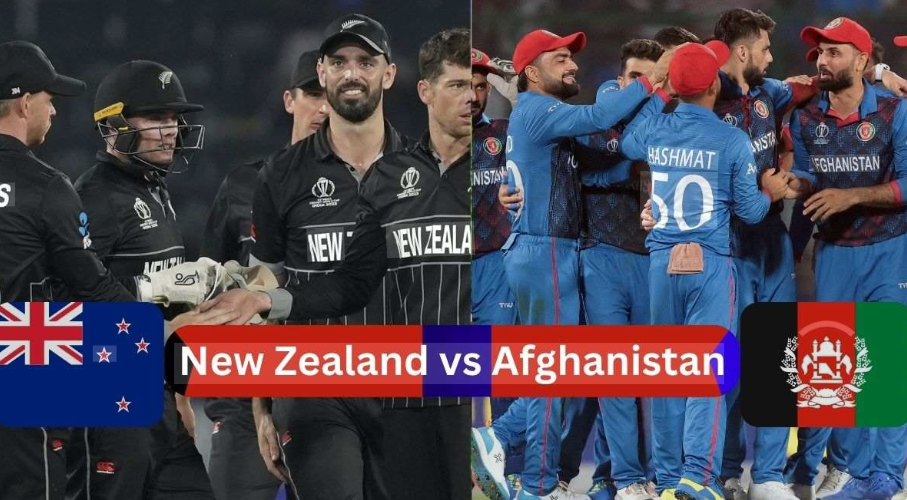
Youth cricket rivalries often reveal how future stars are shaped under pressure, and the competitive journey between these two Under-19 sides is a strong example of contrasting cricketing cultures. One team developed through structured coaching systems and disciplined match planning, while the other rose through fearless intent and rapid skill growth in international youth tournaments. When these sides meet, the contest becomes more than just runs and wickets. It turns into a battle of mindset, adaptability, and emerging talent. Each encounter adds new chapters filled with tactical shifts, emotional intensity, and breakthrough performances that reflect the future of international cricket.
| Date | Tournament | Venue | Winner | Margin | First Innings Score | Second Innings Score |
| 23 January 2024 | ICC U19 World Cup | East London | New Zealand | 1 wicket | Afghanistan 91 | New Zealand 92/9 |
| 25 January 2018 | ICC U19 World Cup | Christchurch | Afghanistan | 202 runs | Afghanistan 309/6 | New Zealand 107 |
| 9 February 2016 | ICC U19 World Cup | Cox’s Bazar | Afghanistan | 8 wickets | New Zealand 135 | Afghanistan 137/2 |
| 25 January 2016 | U19 Tri-Series | Savar | New Zealand | 13 runs | New Zealand 213 | Afghanistan 200 |
| 14 August 2012 | ICC U19 World Cup | Buderim | New Zealand | 8 runs | New Zealand 199 | Afghanistan 191 |
| Team Name | Total Matches | Wins | Losses | No Result | Highest Total | Lowest Total |
| New Zealand U19 | 5 | 3 | 2 | 0 | 213 | 107 |
| Afghanistan U19 | 5 | 2 | 3 | 0 | 309 | 91 |
| Tie Matches | 5 | 0 | 0 | 0 | 0 | 0 |
| Ground Totals | 5 | 5 | 5 | 0 | 309 | 91 |
| Overall Average | 5 | 2.5 | 2.5 | 0 | 261 | 99 |
| Player Name | Team | Matches | Runs Scored | Highest Score | Average | Strike Rate |
| Rahmanullah Gurbaz | Afghanistan | 1 | 69 | 69 | 69.00 | 102.98 |
| Ibrahim Zadran | Afghanistan | 1 | 68 | 68 | 68.00 | 70.10 |
| Azmatullah Omarzai | Afghanistan | 1 | 66 | 66 | 66.00 | 286.95 |
| Tariq Stanikzai | Afghanistan | 1 | 50 | 50 | 50.00 | 67.56 |
| Glenn Phillips | New Zealand | 2 | 47 | 31 | 23.50 | 71.21 |
| Robert O’Donnell | New Zealand | 1 | 43 | 43 | 43.00 | 66.15 |
| Player Name | Team | Overs | Maidens | Runs Conceded | Wickets Taken | Best Bowling |
| Matt Rowe | New Zealand | 8.0 | 2 | 21 | 5 | 5/21 |
| Mujeeb Ur Rahman | Afghanistan | 10.0 | 1 | 14 | 4 | 4/14 |
| Qais Ahmad | Afghanistan | 8.1 | 1 | 33 | 4 | 4/33 |
| Allah Mohammad Ghazanfar | Afghanistan | 10.0 | 2 | 29 | 3 | 3/29 |
| Rashid Khan | Afghanistan | 10.0 | 1 | 45 | 3 | 3/45 |
| Ben Wheeler | New Zealand | 10.0 | 1 | 28 | 2 | 2/28 |
The early development paths of both teams show a clear contrast in cricket philosophy and training culture. One side built its system around structured academies, consistent domestic pipelines, and technical discipline in batting and bowling. The other side emerged from a rapidly growing cricket environment where raw talent, street-developed skills, and aggressive intent shaped young cricketers. When these two systems began interacting in youth international tournaments, the difference in preparation styles became visible. One group relied heavily on planned execution and patience under pressure, while the other leaned on instinct, spin variety, and fearless shot-making. These early differences laid the foundation for a competitive and unpredictable rivalry in age-group cricket. Coaches on both sides quickly realized that adapting to each other’s strengths was necessary. As encounters increased, the gap in experience reduced, and matches started becoming closer with each passing tournament, setting the stage for intense youth-level battles.
| Aspect | New Zealand U19 | Afghanistan U19 | Impact |
| Training System | Structured academy model | Rapid talent development | Contrast in preparation styles |
| Batting Approach | Technical and patient | Aggressive and instinctive | Unpredictable match tempo |
| Bowling Strength | Seam and swing focus | Spin-heavy attack | Tactical imbalance early on |
| Mindset | Discipline under pressure | Fearless competition | Competitive intensity increase |
The first official youth meeting between these sides arrived in an ICC event where both teams carried different expectations. One entered the match with a reputation for calm execution, while the other was seen as an emerging challenger capable of surprising stronger opponents. The opening phase of the match reflected nerves on both ends, with early wickets shaping the direction of play. The bowling unit that focused on line and length initially controlled scoring, but pressure shifted when aggressive stroke play was introduced in the middle overs. Fielding intensity also played a key role, as misfields and quick singles created momentum swings. As the innings progressed, both teams adjusted their plans, showing adaptability beyond expectations. The match became a learning experience for both squads, highlighting the importance of handling pressure situations and understanding unfamiliar playing styles in international youth cricket.
| Aspect | New Zealand U19 | Afghanistan U19 | Impact |
| Opening Strategy | Controlled starts | Aggressive intent | Early pressure balance |
| Middle Overs | Rotation focus | Boundary hitting | Momentum shifts |
| Bowling Impact | Tight seam attack | Spin variations | Wicket distribution |
| Fielding Level | Structured positioning | Energetic approach | Crucial errors and saves |
Tactics played a defining role whenever these teams met, especially in how bowling units were structured. One side relied heavily on fast bowlers who aimed to exploit early movement and maintain pressure through consistent lines. The other side built its attack around spin combinations designed to slow scoring and force mistakes in the middle overs. Captains on both teams frequently adjusted field placements based on changing match situations, especially when partnerships started to develop. The battle between controlling run rate and accelerating scoring created a dynamic contest. Bowlers were often forced to adapt quickly, as batters from both sides showed willingness to attack even under pressure. Strategic timeouts, bowling changes, and field adjustments often decided which team gained control during critical phases. This tactical clash became one of the defining characteristics of their encounters, making every match unpredictable and closely contested.
| Aspect | New Zealand U19 | Afghanistan U19 | Impact |
| Pace Strategy | Early swing attack | Support role vs pace | Early wicket pressure |
| Spin Strategy | Support spin options | Primary weapon | Middle over control |
| Captaincy Calls | Structured planning | Instinct-based changes | Tactical unpredictability |
| Run Control | Dot ball pressure | Boundary counterattack | Shifting momentum |
Individual performances often defined the outcome of matches between these sides. Young batters from one team displayed strong defensive technique combined with patience in building innings under pressure. On the other hand, emerging players from the opposing side often showcased explosive stroke play and fearless intent against both pace and spin. Several bowlers also made a name for themselves by breaking crucial partnerships at key moments. All-rounders played a particularly important role, contributing in both batting and bowling departments when matches were finely balanced. These performances not only influenced results but also highlighted future stars of international cricket. Scouts and analysts often pointed to these games as turning points in identifying talent capable of performing at higher levels. The rivalry became a platform for young players to prove their temperament and skill under international pressure.
| Aspect | New Zealand U19 | Afghanistan U19 | Impact |
| Batting Stars | Anchoring roles | Explosive hitters | Balanced contests |
| Bowling Stars | Consistent seamers | Wicket-taking spinners | Key breakthroughs |
| All-round Impact | Steady contribution | Match-winning bursts | Result shifting |
| Recognition | Technical strength | Aggressive talent | Future prospects |
Pressure played a major role in shaping outcomes whenever these teams met in ICC youth competitions. Players often faced intense expectations from coaches, fans, and tournament stakes. One side handled pressure through structured gameplay and calm decision-making, while the other relied on emotional energy and momentum-driven performances. Nervous starts were common, especially in knockout situations where every run and wicket carried weight. Fielding errors, rushed shots, and bowling inconsistencies often reflected the mental strain of high-stakes matches. However, as players gained experience, their ability to handle pressure improved significantly. Matches became more competitive as both teams learned to stay composed in critical moments. This psychological battle added depth to the rivalry, making it more than just a physical contest of skill.
| Aspect | New Zealand U19 | Afghanistan U19 | Impact |
| Pressure Handling | Calm execution | Emotional intensity | Performance variation |
| Knockout Games | Structured mindset | Fearless approach | High tension matches |
| Errors Under Stress | Minimal mistakes | Occasional lapses | Turning points |
| Mental Growth | Gradual improvement | Rapid adaptation | Competitive balance |
Several encounters between these teams were decided in the final overs, adding drama and intensity to their rivalry. Tight chases, last-wicket stands, and final over defenses created unforgettable moments in youth cricket. One team often built early leads but struggled to maintain control under pressure, while the other frequently staged late comebacks through aggressive batting or sharp bowling spells. These close finishes highlighted the importance of decision-making in crunch situations. Captaincy, bowling changes, and strike rotation all played crucial roles in determining outcomes. Fans witnessed emotional swings as matches shifted direction rapidly in the final stages. These moments became defining highlights of their rivalry and contributed to its growing reputation as one of the most competitive youth matchups.
| Aspect | New Zealand U19 | Afghanistan U19 | Impact |
| Chase Strategy | Planned pacing | Aggressive acceleration | Tight finishes |
| Death Overs | Controlled bowling | High-risk batting | Final over drama |
| Partnerships | Steady builds | Quick bursts | Momentum swings |
| Decision Making | Structured calls | Instinct decisions | Match outcomes |
Over time, the rivalry evolved from one-sided expectations into a balanced and competitive contest. Early matches showed a gap in experience and structure, but repeated encounters helped reduce differences in performance levels. One team maintained consistency through disciplined preparation, while the other improved rapidly through exposure and fearless play. As both sides matured, matches became less predictable and more strategically complex. Players who once struggled under pressure began delivering match-winning performances, and tactical awareness improved significantly on both sides. The rivalry transformed into a respected fixture in youth international cricket, known for producing close contests and emerging talent. Today, it stands as an example of how different cricketing cultures can produce equally competitive outcomes when talent and determination meet on the field.
| Aspect | New Zealand U19 | Afghanistan U19 | Impact |
| Early Phase | Dominant structure | Learning stage | Uneven contests |
| Mid Development | Consistent growth | Rapid improvement | Balanced rivalry |
| Current Stage | Tactical maturity | Aggressive refinement | Competitive equality |
| Future Outlook | Stable pipeline | Rising talent pool | Strong rivalry continuity |
Over time, this youth rivalry has grown into a balanced and competitive contest that reflects the evolution of modern cricket development systems. Early differences in structure and experience gradually faded as both teams adapted to each other’s strengths and weaknesses. Matches became closer, more tactical, and filled with pressure moments that tested young players’ temperament. The rivalry now stands as a symbol of growth, resilience, and rising talent in world cricket. It continues to produce exciting performances and future international stars who carry forward lessons learned in these intense youth encounters.
When did New Zealand U-19 and Afghanistan U-19 first face each other?
The teams first met in ICC Under-19 Cricket World Cup competitions and youth international tournaments.
Why is this rivalry significant?
It showcases emerging talent and future international cricketers from both nations.
Which team has enjoyed more success historically?
Results have varied over time, with both teams recording important victories in youth cricket.
Have they met in ICC Under-19 World Cups?
Yes, several encounters have taken place during ICC Under-19 Cricket World Cup tournaments.
Who are some notable players to emerge from these teams?
Many players from both sides have progressed to represent their senior national teams.
What makes Afghanistan U-19 a strong team?
Afghanistan’s youth teams are known for talented spin bowlers and fearless batting.
What are New Zealand U-19’s strengths?
New Zealand often relies on disciplined bowling and well-structured team performances.
Why do fans follow Under-19 cricket timelines?
They provide insight into future stars and the development of young talent.
Where are these matches usually played?
Matches are held at ICC youth tournaments and other international Under-19 events.
Why is the timeline useful?
It helps track key matches, milestones, and player development in the rivalry.